About the Film
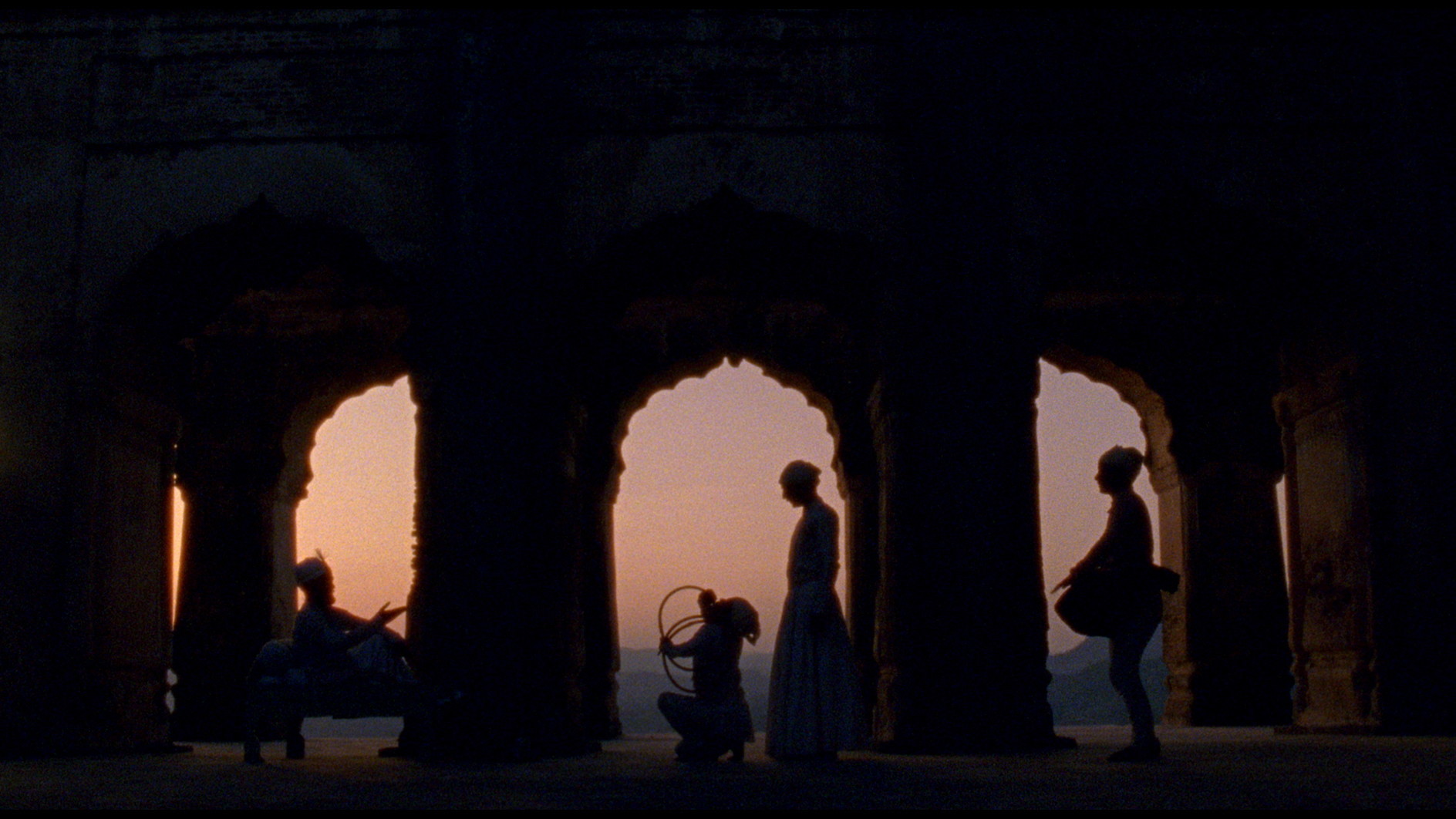
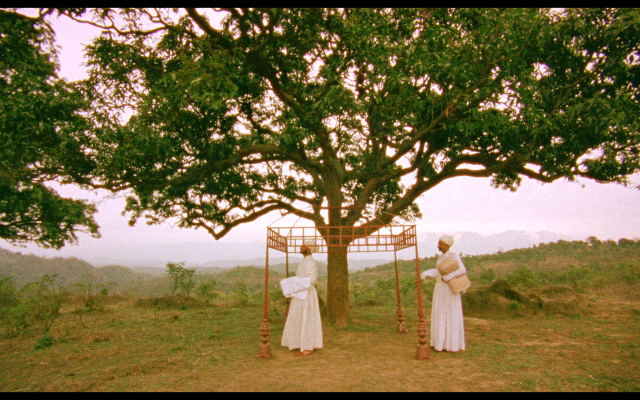
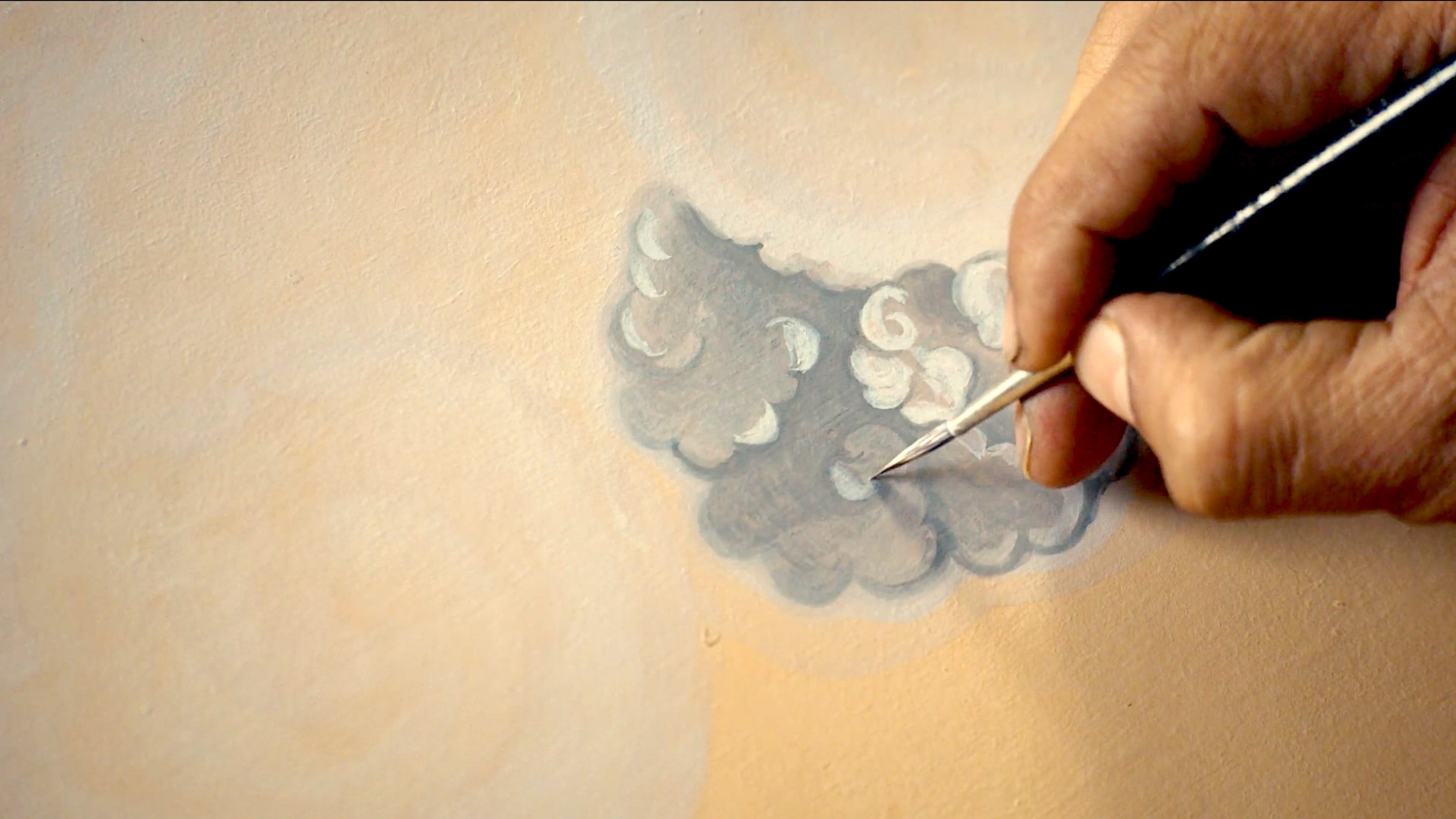
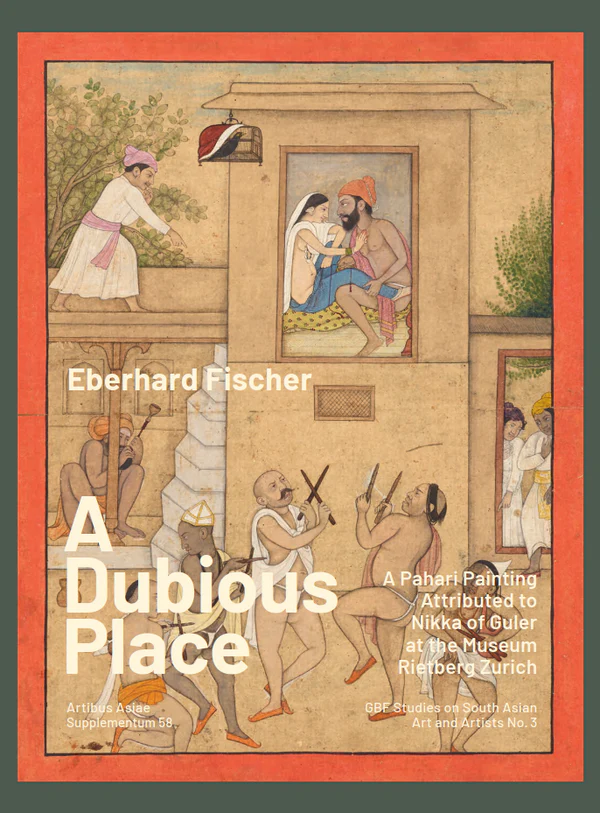
Nainsukh is a meditative exploration of the 18th-century Pahari miniature painter Nainsukh of Guler. Drawing inspiration from Nainsukh’s surviving artworks and archival materials, the film reconstructs episodes from the artist’s life, particularly his intimate and collaborative relationship with his patron, Raja Balwant Singh. Eschewing conventional narrative, the film employs a poetic cinematic language—marked by stillness, tableaux, and painterly compositions—to evoke the world of the artist and the delicate interplay between realism and imagination that characterised Nainsukh’s craft. In capturing the rhythms of courtly life in a small Pahari principality and the quiet reverence for the artistic process, the film becomes an elegiac tribute to a master painter and to the traditions of miniature painting itself.
About the Director
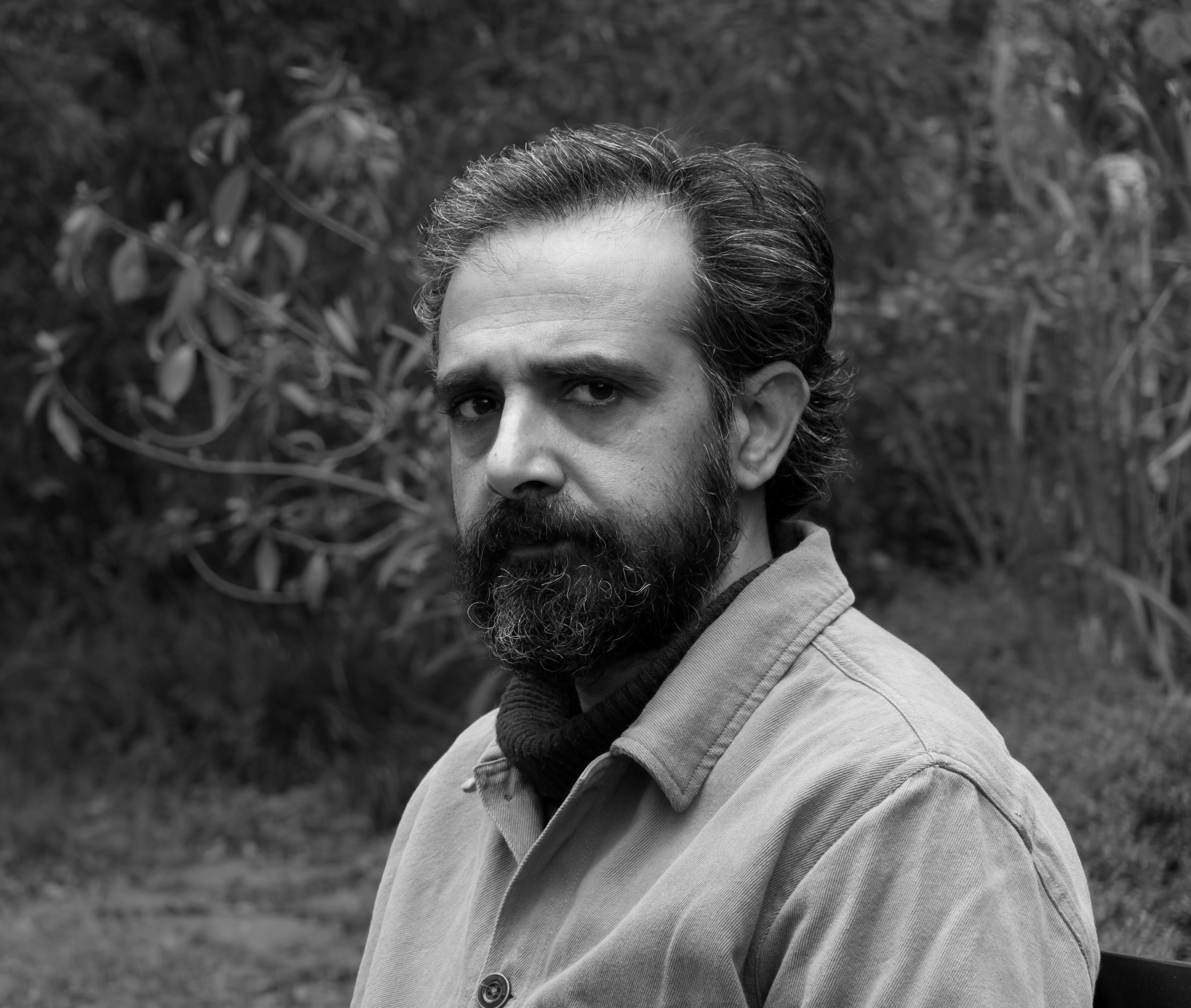
Amit Dutta is a filmmaker/writer based in the Kangra Valley, Himachal Pradesh. Born in Jammu in 1977, he studied Film Direction at the Film and Television Institute of India (FTII), Pune. His films span a range of genres and formats including literary adaptations, animation, fiction, and experimental documentation. His writing includes fiction, non-fiction, and poetry in Hindi, English, and Dogri.
His works have been exhibited at major international film festivals and art institutions, including the Venice, Berlin, Rotterdam, MAMI, Toronto (Wavelengths), and Oberhausen film festivals; and at museums such as MoMA (New York), the Centre Pompidou (Paris), and the Smithsonian’s Freer & Sackler Gallery (Washington DC). Retrospectives of his work have been held at institutions including the Berkeley Art Museum and Pacific Film Archive (BAMPFA), Cinema Du Reel, Centre Pompidou, Smithsonian’s Freer & Sackler Gallery (Washington DC) and the National Film Archive of India.
His works have received a wide range of national and international honours, including the Golden Gateway Award at the Mumbai Academy of Moving Image (MAMI), the Gold Mikeldi at the Bilbao International Film Festival, the Golden Conch and Best Film of the Festival at MIFF, and both the International Film Critics’ Award (FIPRESCI) and the Jury’s Main Prize at Oberhausen. He has also been awarded four National Film Awards (Silver Lotus), Special Jury Mentions at Cinéma du Réel and the Venice International Film Festival, and the Dogra Ratan state honour (2013). Two of his screenplays have been supported by the Centre National des Arts Plastiques (France) and the Hubert Bals Fund (Netherlands). In 2015, he was awarded the Tagore Fellowship at the Indian Institute of Advanced Study (IIAS), Shimla. His short film Kramasha was listed among the essential films of all time by Jonathan Rosenbaum, while Nainsukh was featured in Film Comment’s top ten films of the Venice Film Festival and listed in The New Yorker’s selection of best biopics ever made.
His books include Invisible Webs: An Art-Historical Inquiry into the Life and Death of Jangarh Singh Shyam; Kaljayi Kambakht, recipient of the Krishna Baldev Vaid Award and shortlisted for the Armory Square Prize; and Gyarah Rupay Ka Fountain Pen, which was included in the Tata Trusts’ Parag Honours List 2022 as one of the best books for children, promoting high-quality children’s literature in India. He contributes regularly to Hindi literary and children’s journals, and has published works on traditional water systems, personal film diaries, as well as poetry in Hindi and Dogri.
He has taught at the Film and Television Institute of India and the National Institute of Design.